
How to Prevent Circuit Overloads at Home
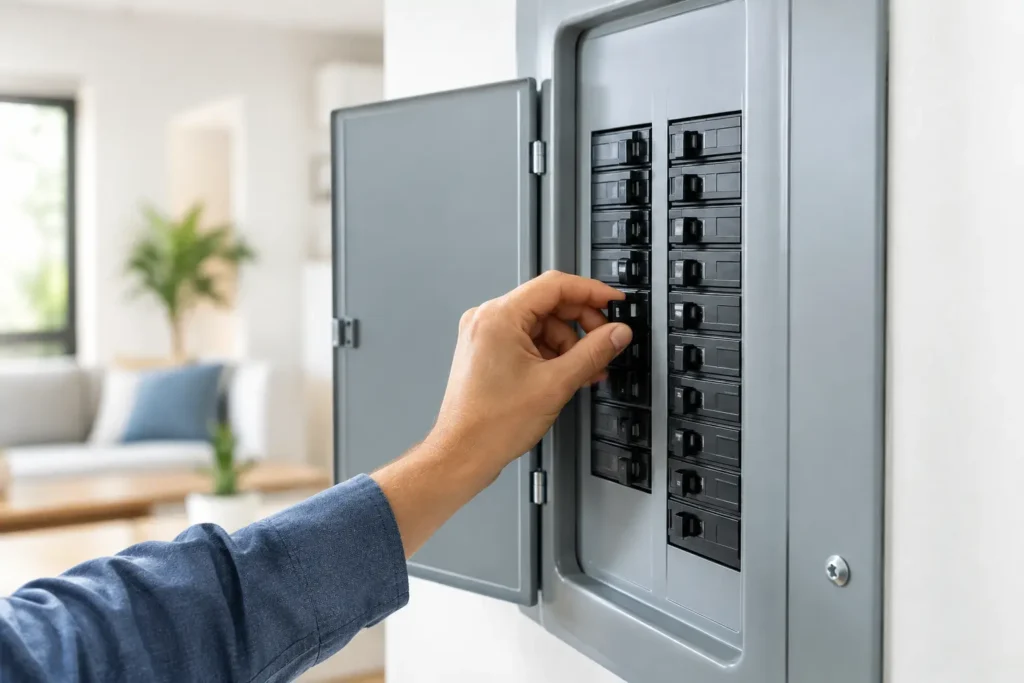
A tripped circuit breaker is inconvenient when it cuts the kettle off halfway through breakfast. It is more concerning when it happens repeatedly, causes lights to flicker, or is accompanied by a warm socket or burning smell. Learning how to prevent circuit overloads helps protect people, property and the electrical installation itself – and often starts with a few straightforward checks.
An overload occurs when a circuit is asked to supply more electricity than it was designed to carry. Modern consumer units are fitted with protective devices that should disconnect the supply before cables overheat. That protection is valuable, but frequent tripping is not a problem to ignore or work around. It is a sign that the circuit, appliance or installation needs attention.
What causes a circuit to overload?
Every circuit in a property has a limit. A ring final circuit supplying general sockets can serve several rooms, while dedicated circuits may supply a cooker, shower, immersion heater or other higher-demand equipment. The consumer unit is designed to protect the cables on each circuit, rather than simply allow unlimited appliances to run at once.
Overloads commonly happen when several high-wattage appliances are used from the same circuit at the same time. A kettle, toaster, microwave, air fryer and portable heater may all be plugged into kitchen or dining-area sockets that are connected to one circuit. In a home office, heaters, monitors, printers and chargers can create a similar issue, particularly where extension leads have become a permanent solution.
The age and condition of the installation also matter. Older properties in Tonbridge and across Kent may have fewer sockets than modern households need. If a property has been extended, converted or altered over time, the way circuits are used may no longer match the original design. A circuit that once served a few lamps and a television may now be carrying work equipment, gaming devices, chargers and kitchen appliances.
How to prevent circuit overloads in everyday use
The simplest approach is to spread electrical demand sensibly. Avoid running several heat-producing appliances from sockets that are likely to be on the same circuit. Kettles, fan heaters, portable radiators, tumble dryers, irons and air fryers use a considerable amount of power, even though they are everyday items.
If a circuit trips when particular appliances are used together, switch them off and unplug them before resetting the breaker. Then use them separately, if safe to do so, until the cause can be identified. Do not keep resetting a circuit that trips repeatedly. The protective device is responding for a reason, and repeated resets can leave a developing fault undiscovered.
Extension leads deserve particular care. They are useful for temporary use, but should not be relied on to create permanent extra socket capacity. Never plug one extension lead into another, and avoid loading a multi-way extension with high-demand appliances. A reel extension lead should be fully unwound when carrying a significant load, as heat can build up in the coiled cable.
Check leads, plugs and sockets as part of normal household care. Damaged insulation, loose plugs, scorch marks, cracked faceplates and sockets that feel hot are all warning signs. Stop using the item or socket immediately if you notice damage, and arrange for a qualified electrician to investigate.
Know the difference between too much load and a fault
Not every trip is an overload. A circuit breaker may trip because of excessive demand, but an RCD may operate when it detects current leaking to earth. This can be caused by a faulty appliance, damaged cable, water ingress or a fault within the electrical installation.
The distinction is useful, but homeowners and staff do not need to diagnose it themselves. What matters is the pattern. If one appliance causes the problem wherever it is plugged in, stop using that appliance. If the issue affects several appliances, one area of the building, or continues with items unplugged, professional fault finding is the sensible next step.
A burning smell, buzzing, arcing, smoke, visible scorching or a consumer unit that feels unusually warm requires urgent attention. Switch off the supply if it is safe to do so, keep clear of the affected area and contact an emergency electrician. Do not remove the consumer unit cover or attempt repairs yourself.
When more sockets are the safer answer
People often overload circuits because their property does not have sockets where they are needed. Adding properly installed sockets can be a safer and tidier long-term solution than trailing leads across rooms or relying on adaptors behind furniture.
That does not mean every additional socket solves a capacity problem. An electrician needs to consider the existing circuit, cable condition, protective devices and expected use. A new socket for a bedside lamp places very different demands on a circuit than sockets intended for kitchen appliances or workshop tools.
For higher-load equipment, a dedicated circuit may be appropriate. Electric showers, cookers, induction hobs and some fixed heating equipment are common examples. A qualified electrician can assess whether the existing supply and consumer unit are suitable, and explain the practical options before work begins.
This is especially relevant during kitchen refurbishments, loft conversions, garage changes and home-office upgrades. Electrical planning is easiest before walls are finished and units are fitted, but an inspection can still identify safe solutions in an existing room.
Prevent circuit overloads in rented and commercial premises
Landlords and property managers should take repeated tripping seriously, even if occupants can reset the breaker. It may indicate unsuitable socket provision, ageing accessories, a faulty appliance or a change in how the property is being used. Clear advice to tenants about not overloading adaptors, alongside timely repairs, can prevent a minor concern becoming an emergency.
In shops, offices, workshops and other commercial premises, equipment often changes without the electrical installation being reviewed. Extra computers, portable heaters, catering equipment, charging stations or machinery can increase demand quickly. An installation that was suitable when a business moved in may not be suitable after expansion.
Staff should know who to report electrical concerns to and should not be expected to keep a circuit running by repeatedly resetting protective devices. Regular inspection and testing, sensible equipment placement and clear labelling at the consumer unit all help maintain a safer, more reliable workplace.
Signs that your electrical installation needs checking
A single trip after using several appliances may have an obvious explanation. A recurring issue deserves a closer look. Arrange an inspection if breakers trip regularly, lights dim when appliances start, sockets are loose or warm, or you rely heavily on extension leads because there are not enough outlets.
Other reasons to call an electrician include a recent flood or leak near electrical equipment, damage from building work, an old fuse board, or plans to install a high-demand appliance. Electrical work should be based on what is actually present in the property, not assumptions about the age of the wiring or the rating of a single breaker.
Eldred Electrical Services can carry out fault finding, consumer-unit-related troubleshooting, additional socket work and electrical testing for homes, landlords and businesses across Tonbridge and the surrounding Kent area. Clear diagnosis matters: the aim is to identify the cause, explain the options plainly and carry out only the work that is needed.
A circuit that trips is doing its job by alerting you to a possible problem. Treat that warning early, use appliances thoughtfully and seek qualified help when the cause is not clear. A little attention now can keep the next cup of tea, working day or family evening from becoming an electrical emergency.


