
Is My Fuse Box Safe? Signs You Should Not Ignore
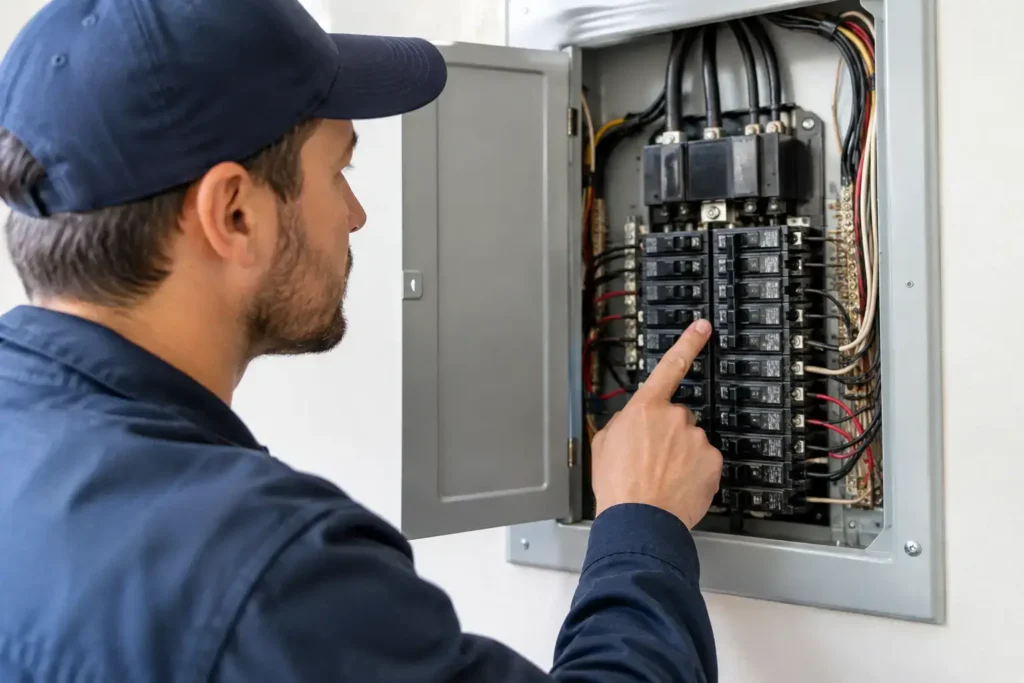
A consumer unit is usually tucked away in a hallway cupboard, garage or under-stairs space, so it is easy to forget about until something trips. If you are asking, is my fuse box safe, it is sensible to act on that concern rather than wait for a complete loss of power. Your fuse box, more accurately called a consumer unit, is there to protect people, wiring and appliances when a fault develops.
A unit does not need to look brand new to be safe. Equally, a tidy-looking board is not proof that everything behind it is in good order. The answer depends on its condition, its protective devices, the wiring it serves and whether it has been altered properly over the years.
Is My Fuse Box Safe? What a Safe Unit Should Do
A safe consumer unit should cut the power quickly when it detects a fault. Modern units generally use circuit breakers, known as MCBs, alongside RCD or RCBO protection. These devices are designed to reduce the risk of electric shock and fire by disconnecting the supply when they detect a problem.
Older fuse boxes often use replaceable fuse wire. These can still be found in many Kent properties and are not automatically dangerous simply because of their age. However, they offer less protection than a modern consumer unit and may not meet the standard expected for a new installation or significant alteration. Their condition, the quality of the existing wiring and the lack of RCD protection all need to be considered.
The consumer unit should have a secure cover, clear circuit labels and no exposed live parts. It should not show signs of overheating, damage or moisture. It should also be accessible. If it is boxed in behind fixed furniture or difficult to reach in an emergency, that is worth addressing.
Warning Signs You Should Not Ignore
Some electrical faults are obvious, but others are easy to dismiss as an annoying trip or a temperamental appliance. Repeated tripping is the unit doing its job, but it is also telling you that a fault needs finding. Resetting a breaker over and over without understanding why it has operated is never a long-term fix.
Arrange an electrician to inspect the installation promptly if you notice any of the following:
- A burning smell, buzzing, crackling or warmth around the consumer unit
- Scorch marks, discolouration, melted plastic or a loose or damaged cover
- Circuit breakers or fuses that trip regularly, especially when using normal appliances
- Lights that flicker, sockets that feel hot, or switches that make unusual noises
- Damp, water staining or condensation near the unit
- Old-style fuse wire, missing circuit labels or previous untidy alterations
A single trip after plugging in a faulty kettle, toaster or garden tool may point to that appliance rather than the fuse box itself. But if the same circuit continues to trip once the appliance has been unplugged, or multiple circuits are affected, professional fault finding is the right next step.
If you smell burning, see smoke or hear persistent arcing noises, do not touch the unit or attempt repairs. If it is safe to do so, switch off the main isolator without putting yourself at risk, keep people away from the area and call an emergency electrician. For fire or immediate danger, call 999.
Old Fuse Box or Modern Consumer Unit?
Many homeowners ask whether an older fuse box must be replaced immediately. There is no one answer. An existing installation is not necessarily unsafe simply because it does not meet the latest edition of electrical regulations. Regulations mainly apply to new work, and a qualified electrician can advise whether your existing system remains safe for continued use.
That said, an upgrade is often advisable where an old board has no RCD protection, has wooden backing, has damaged components, or is being added to during a renovation. A new kitchen circuit, electric shower, garden installation, extension or partial rewire may expose limitations in an older consumer unit.
Modern metal consumer units are commonly fitted in domestic properties because they provide improved fire containment. Separate RCBO protection can also be useful: if a fault occurs on one circuit, it may leave the rest of the property operating. The right arrangement depends on the property, the existing installation and the circuits you need, not just on choosing the newest-looking board.
What You Can Check Safely
There are a few straightforward checks you can make without removing any covers or touching wiring. Look at the outside of the consumer unit in good daylight. Check whether the front is intact, the circuit labels are readable and there is no evidence of heat damage or damp. Keep the area clear so the main switch can be reached quickly.
You can also check whether the RCD test button is marked with a T or Test. The label near it may state how often it should be tested. Follow the manufacturer guidance, and be aware that pressing the button will switch off protected circuits, so save computer work and avoid doing it when appliances such as washing machines are mid-cycle. If it does not trip, or it will not reset afterwards, contact an electrician.
Do not remove the consumer unit cover, replace fuse wire with a larger rating, tape over damaged parts or keep forcing a breaker back on. These actions can turn a contained fault into a serious hazard. A breaker that trips is not the problem by default. It is often responding to a problem elsewhere on the circuit.
When an Electrical Inspection Makes Sense
An Electrical Installation Condition Report, often called an EICR, is the clearest way to understand the condition of fixed wiring and the consumer unit. During an inspection, an electrician checks for deterioration, defects, unsuitable alterations and areas where the installation may no longer provide adequate protection.
This is especially worthwhile if you have moved into an older property, are planning building work, have had recurring electrical issues or cannot remember when the installation was last checked. It is also essential for landlords, who have legal duties to ensure the electrical installation in rented homes is inspected and tested at the required intervals.
For businesses, electrical reliability affects more than convenience. A damaged consumer unit or overloaded circuit can interrupt trading, affect equipment and create risks for staff and visitors. Planned inspection helps identify issues before they become an emergency call-out.
Do Not Assume a Trip Is Just a Nuisance
A consumer unit can trip because of an overloaded circuit, damaged cable, faulty appliance, moisture ingress or an issue with a socket, light fitting or outdoor supply. The cause may be simple, but it needs to be identified rather than guessed at. This is particularly true after DIY work, a leak, pest damage, recent decorating or new appliances being fitted.
A qualified electrician can test the circuits, isolate the fault and explain what has been found in plain language. Where replacement is recommended, you should receive a clear explanation of why it is needed and what work is involved. Eldred Electrical Services provides consumer unit fault finding, inspections and replacement work for homeowners, landlords and businesses across Tonbridge and the surrounding Kent area.
If your fuse box has been quietly doing its job for years, a professional check can provide useful reassurance. If it is showing warning signs, acting early gives you the best chance of keeping a small electrical issue from becoming a larger and more disruptive one.


