
Why an Electrician Insurance Check Matters
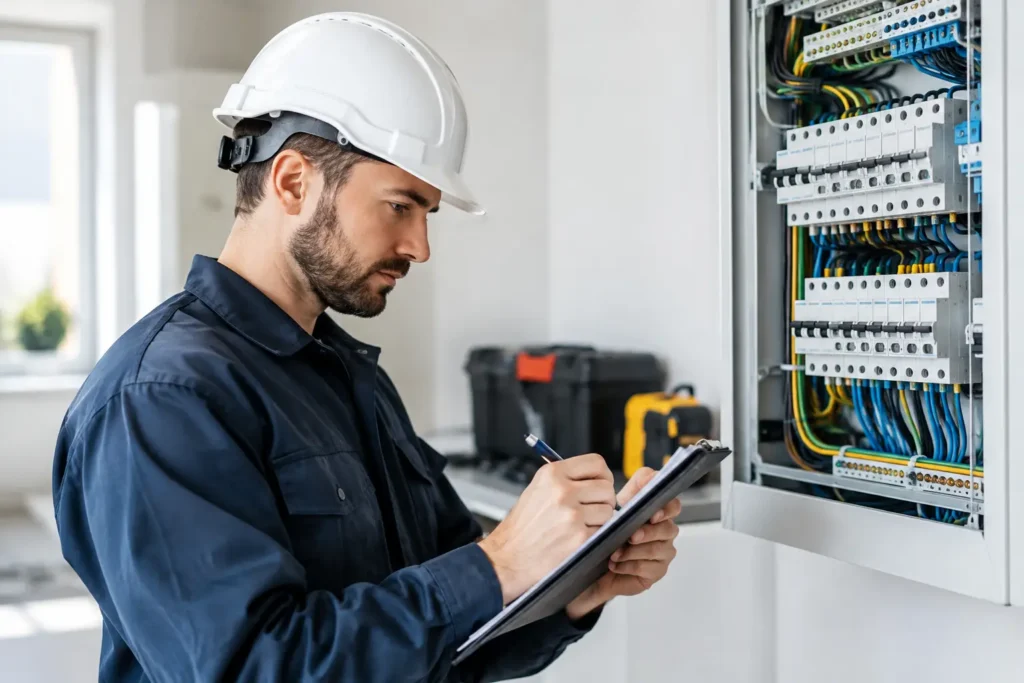
A damaged cable, an unexpected fault or a mistake during installation can quickly turn a straightforward job into a costly problem. An electrician insurance check gives you confidence that the contractor working in your home, rental property or business has appropriate cover in place if something goes wrong. It is a sensible question to ask before work starts, whether you need a new light fitting or a full rewire.
Insurance is not a substitute for skill, proper testing or good workmanship. It is, however, one of the practical signs that an electrician takes their responsibilities seriously. A professional contractor should be happy to explain what cover they hold and provide evidence when requested.
What is an electrician insurance check?
An electrician insurance check means confirming that the electrician or electrical contractor has valid insurance relevant to the work they are carrying out. In most cases, the key policy is public liability insurance. This is designed to cover claims if a contractor’s work causes accidental injury to someone else or damage to their property.
For example, if an electrical installation fault led to damage to a ceiling, flooring or another part of the property, public liability cover may be relevant. The exact outcome depends on the policy, the circumstances and how the issue arose, which is why it is wise not to make assumptions about what any insurance policy will cover.
For larger commercial, industrial or landlord projects, other cover may also be relevant. Employers’ liability insurance is generally required where a business employs staff. Professional indemnity insurance can be useful where a contractor provides professional design or consultancy services, although it is not necessary for every electrical job.
The aim is not to become an insurance expert. You simply want to know that the person carrying out work on your electrical system is properly insured for the service they are providing.
Why insurance matters before electrical work begins
Electrical work affects the safety of the building and the people using it. A loose connection, damaged accessory or incorrectly selected protective device can create risks that are not always obvious immediately. The right contractor reduces those risks through sound diagnosis, suitable materials, careful installation and testing.
Insurance provides an additional layer of reassurance if accidental damage occurs while the job is being done. This could include damage caused during fault finding, drilling, cable routing or work around existing finishes. No reputable electrician expects things to go wrong, but responsible tradespeople plan for the possibility.
For landlords and property managers, checking insurance is also part of choosing contractors carefully. You may be arranging access for tenants, managing communal areas or coordinating several trades at once. Keeping a record of who attended, what work was agreed and their current insurance details can make future queries much easier to deal with.
For businesses, the stakes can be higher still. An electrical fault can interrupt trading, affect staff safety or disrupt equipment. Insurance will not prevent downtime, but using a suitably insured, competent contractor is a sensible part of managing risk.
How to carry out an electrician insurance check
You do not need a complicated process. Ask the electrician whether they hold current public liability insurance and request a copy of their insurance certificate if you would like one. A genuine contractor should see this as a reasonable request, particularly for a larger job or work at a commercial premises.
Check that the policy is current and that the business name matches the contractor you are appointing. Look at the expiry date, the level of indemnity and whether the type of work appears appropriate. If you are unsure about wording on the certificate, ask the electrician to explain it in plain English or contact the insurer named on the document.
It is also worth confirming the scope of the work in writing. A clear quotation should set out what is included, such as replacing sockets, installing a consumer unit, fault finding, adding garden lighting or carrying out testing and inspection. This avoids confusion later and helps ensure that everyone understands the job being undertaken.
An insurance certificate alone does not tell you everything. It should sit alongside other sensible checks, including the electrician’s experience, reputation, qualifications or scheme registration where applicable, and their approach to testing and certification.
Questions worth asking before you book
For most domestic jobs, a short conversation is enough. Ask whether the electrician is insured, what the quotation includes and whether the work will be tested on completion. If the work needs notification under Building Regulations or requires an electrical certificate, ask what documentation you will receive.
For landlords, businesses and larger refurbishment projects, ask who will be attending site, whether subcontractors will be used and how any disruption will be managed. You may also need to provide site rules, asbestos information, access arrangements or details of existing electrical issues before work starts.
A clear, calm answer is usually a good sign. Be cautious if a contractor avoids simple questions, will not provide a written quotation for significant work or pressures you to agree immediately.
Insurance is only one part of choosing safely
It can be tempting to treat insurance as a tick-box exercise, but the quality of the work itself matters just as much. Electrical faults are often symptoms rather than the whole problem. A tripping circuit may be caused by a faulty appliance, water ingress, damaged wiring or an overloaded circuit. Replacing a component without proper investigation may only hide the issue temporarily.
Choose an electrician who takes time to assess the fault and explain the options. You should understand what has been found, what work is recommended and whether there are alternatives. Sometimes a small repair is all that is needed. In other cases, especially where old wiring, repeated tripping or heat damage is present, further testing or remedial work may be the safer choice.
Good housekeeping also matters. Protective coverings, tidy cable routes, careful making-good and respect for your property are not extras. They are part of a professional service. This is especially important in occupied homes, shops, offices and rental properties where people need to carry on with their day while work is underway.
When an insurance check is particularly useful
Every electrical job deserves care, but an electrician insurance check is especially worthwhile when the work is extensive or could affect other parts of the building. This includes rewires, consumer unit changes, kitchen and bathroom electrical work, outdoor supplies, commercial alterations and fault finding where the cause is unclear.
It is also sensible before emergency work. When a circuit has failed or there is a concern about burning smells, damaged accessories or repeated tripping, the priority is to make the situation safe. Even then, you can still ask a contractor about their insurance and what they expect the initial visit to involve. A reliable local electrician will explain the immediate safety steps without making promises before the fault has been assessed.
If you are comparing quotations, do not choose on price alone. A very low figure may not include testing, certification, suitable materials or time to investigate the underlying issue. Compare what each contractor is actually proposing, as well as their availability, communication and insurance.
Keep the paperwork with your electrical records
Once the work is complete, retain the quotation, invoice, any insurance information you requested and the relevant electrical paperwork. Depending on the job, this might include an Electrical Installation Certificate, a Minor Electrical Installation Works Certificate or an Electrical Installation Condition Report.
These records are useful when selling a property, managing a tenancy, planning future improvements or investigating a later fault. They also give the next electrician a clearer picture of what has been done and when.
At Eldred Electrical Services, clear explanations, careful work and customer safety go together. Before any planned job or urgent repair, it is reasonable to ask questions, request a free no-obligation quotation and make sure you feel comfortable with the person working on your property. The right electrician will welcome that conversation and leave you with work you can rely on.


