
Who Needs Electrical Inspection in Kent?
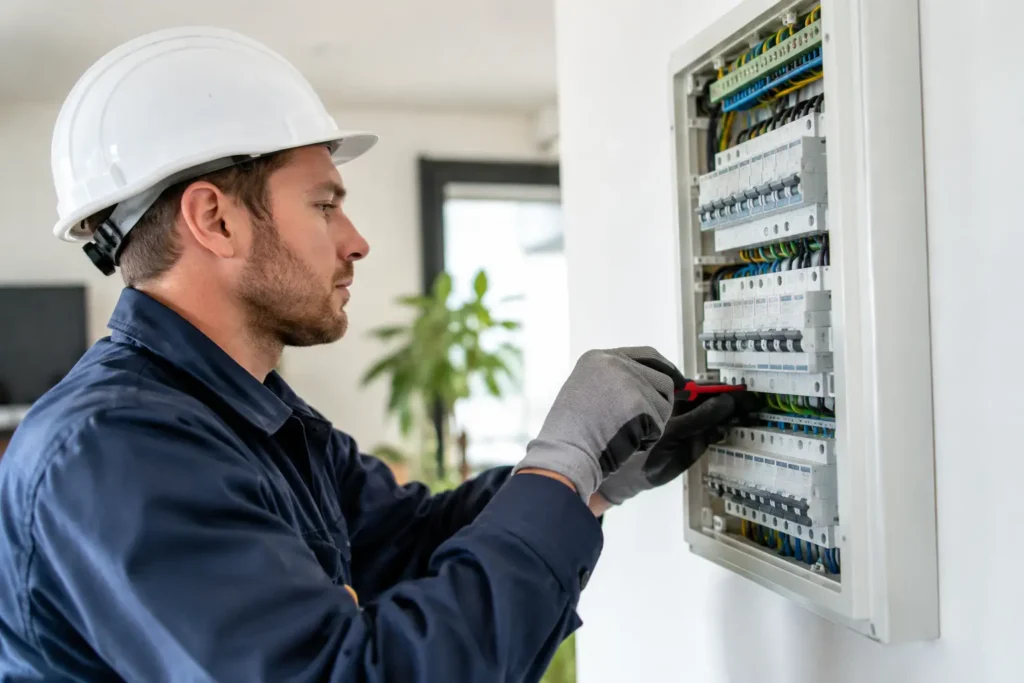
A consumer unit that keeps tripping, a socket that feels warm, or lights that flicker are all reasons to act promptly. But electrical problems are not always obvious. That is why the question of who needs electrical inspection applies to far more people than those dealing with an urgent fault. Homeowners, landlords, letting agents and business owners can all benefit from having their electrical installation checked by a competent electrician.
An electrical inspection looks beyond whether the lights currently work. It assesses the condition of the fixed wiring, consumer unit, sockets, switches and other parts of the installation that keep a property running safely. It can identify deterioration, unsuitable alterations and faults before they become a shock risk, fire risk or costly emergency repair.
Who needs electrical inspection?
Homeowners, especially in older or altered properties
Every homeowner should consider periodic electrical inspection, particularly if the property is older, has changed hands, or has had previous renovation work. Wiring can remain hidden behind walls and under floors for decades, so it is easy to assume everything is fine simply because the sockets and lights are working.
A professional inspection is sensible if you have just bought a home and do not have clear paperwork for recent electrical work. It is also worthwhile before a major kitchen extension, loft conversion or redecoration project. Finding issues before walls are opened or new finishes are installed is usually less disruptive and more cost-effective.
Homes with older fuse boxes, rewireable fuses, ageing accessories or limited socket provision deserve particular attention. Modern households use far more electrical equipment than many older installations were designed to support. Extension leads and overloaded adaptors can be a sign that additional circuits or sockets are needed, not simply a reason to add another multiway adaptor.
Landlords and letting agents
For landlords in England, electrical safety checks are a legal responsibility. The electrical installation in a rented property must be inspected and tested at the required intervals by a qualified person, with a report provided to tenants and retained for records. In most cases, this means arranging an Electrical Installation Condition Report, commonly known as an EICR, at least every five years or sooner if the previous report recommends it.
A change of tenant does not automatically mean a full new inspection is required if the existing report remains valid. However, it is a sensible time to review the property, particularly where damage, unauthorised alterations or persistent faults have been reported. Landlords should also make sure any observations on an existing report have been dealt with properly rather than assuming the document alone makes the property safe.
For managing agents, a clear inspection record makes life easier. It helps demonstrate that safety concerns have been taken seriously, gives tenants confidence and allows remedial work to be planned before a small issue causes inconvenience or an emergency call-out.
Local businesses and commercial premises
Shops, offices, workshops, cafes, salons and other commercial premises need electrical inspection as part of responsible property management. Employers have duties to keep electrical systems safe, and a planned inspection programme helps identify risks that may otherwise interrupt trading or put staff and customers at risk.
The right interval depends on the type of premises and how the installation is used. A quiet office with a well-maintained installation has different demands from a busy kitchen, retail unit or workshop using machinery all day. Moisture, heat, vibration, heavy use and public access can all increase wear on electrical equipment.
An inspection can uncover damaged sockets, poor earthing arrangements, overloaded circuits, loose connections or unsuitable additions made over time. It also gives business owners a clearer picture of work that should be prioritised, helping them budget for repairs rather than reacting only when something fails.
Industrial and high-use environments
Industrial units, storage facilities and working sites often place greater demands on an electrical installation. Machinery, three-phase supplies, outdoor equipment and frequent use can expose faults more quickly than a typical domestic setting. Dust, damp, vibration and accidental damage should all be considered when deciding how often to inspect.
In these environments, electrical reliability is also closely tied to business continuity. A fault can stop equipment, delay work and affect staff safety. Regular testing and inspection helps spot issues while they can still be scheduled around the working day, rather than dealt with after an unexpected shutdown.
When should you arrange an inspection?
There is no single interval that suits every property. The condition, age and use of the installation all matter. A good electrician will consider the previous inspection report, the environment and any changes made since the last check before recommending a sensible timescale.
That said, certain situations should prompt an inspection sooner rather than later. These include repeated tripping at the consumer unit, burning smells, buzzing accessories, discoloured sockets, electric shocks or tingling, flickering lights, water leaks near electrical fittings, and damage caused by building work or pests.
You should also arrange a check following significant alterations. Adding a new shower, electric cooker, garden lighting system, outbuilding supply or extra sockets can affect the demands placed on existing circuits. The work itself should be tested and certified where required, but it may also reveal that older parts of the installation need attention.
If there is an immediate concern, such as smoke, scorching, exposed wiring or a strong burning smell, switch off the affected circuit if it is safe to do so and seek urgent help. Do not keep resetting a breaker without finding out why it has operated.
What does an electrical inspection involve?
An electrical inspection is more thorough than a quick visual check. The electrician will examine accessible parts of the fixed installation and carry out tests to assess its safety. This can include the consumer unit, protective devices, earthing and bonding, circuits, sockets, switches, lights and fixed equipment.
Some testing may require circuits to be switched off for short periods. For that reason, it is helpful to plan the visit at a convenient time, especially in homes where people work remotely or in business premises where equipment needs to remain operational. A careful electrician will explain what needs to be isolated and aim to keep disruption to a minimum.
The findings are recorded in an Electrical Installation Condition Report. Where faults are identified, they are coded according to their seriousness. Some issues need urgent remedial work, while others may be recommendations for improvement or matters to monitor. The report should be explained in plain language, so you understand what requires attention now and what can be planned for later.
An unsatisfactory report does not always mean the whole property needs rewiring. Sometimes the solution is targeted: replacing damaged accessories, correcting a circuit fault, improving earthing, fitting suitable protection or addressing problems within the consumer unit. Equally, where wiring is very old or has been altered repeatedly, a partial or full rewire may be the safer long-term option.
Inspection, testing and portable appliance checks are different
These terms are often used interchangeably, but they are not the same thing. An EICR concerns the fixed electrical installation: the wiring and permanently connected parts of a property. Portable appliance testing, often called PAT testing, relates to movable equipment such as kettles, extension leads, power tools and computers.
Both can be useful in a workplace, but one does not replace the other. A passed appliance check does not confirm that the socket supplying it is safe, and an EICR does not mean every portable appliance has been individually checked. The right approach depends on what equipment is used, who uses it and the condition of the premises.
Choosing the right electrician for the job
Electrical inspection should not be treated as a paperwork exercise. You need an electrician who will test properly, explain the findings clearly and give practical advice about the next steps. Ask whether the inspection includes a full written report, how long access may be needed, and whether any necessary remedial work can be quoted separately.
For properties across Tonbridge and the wider Kent area, Eldred Electrical Services provides clear, professional testing and inspection alongside repairs and remedial electrical work. The aim is to give you an honest picture of your installation, without unnecessary jargon or pressure.
A planned inspection is one of the simplest ways to look after a property and the people using it. If something does need attention, knowing early gives you the choice to deal with it calmly, safely and on a timescale that works for you.


