
Safe Appliance Connections for Kent Homes
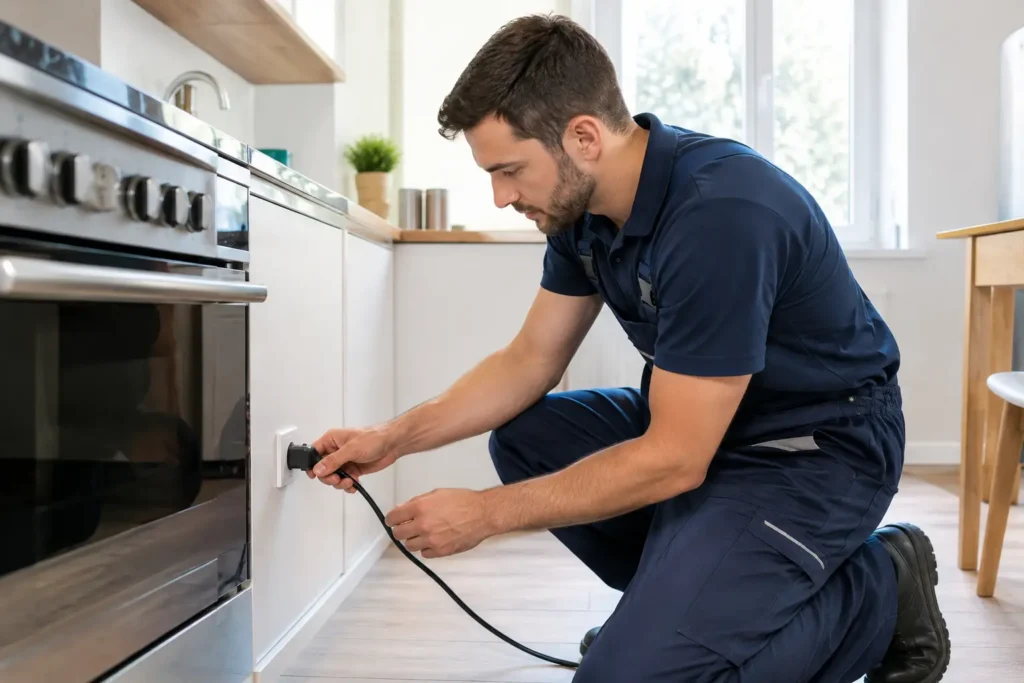
A new cooker arriving before the weekend, a replacement washing machine waiting in the kitchen, or a faulty hob that needs changing can all feel like straightforward jobs. But safe appliance connections are about far more than getting power to an appliance. The right connection protects people, prevents damage to your property and helps the appliance perform as it should.
For homeowners, landlords and businesses across Tonbridge and Kent, the safest approach is to check the existing supply before fitting anything new. Appliances place different demands on an electrical installation, and a connection that looks acceptable on the surface may not be suitable behind the wall or at the consumer unit.
Why appliance connections need proper attention
Many modern appliances draw a considerable amount of power, particularly electric cookers, ovens, hobs, showers, tumble dryers and commercial catering equipment. A loose terminal, undersized cable or incorrectly rated protective device can overheat under load. In the worst cases, this can lead to electric shock, fire or repeated tripping.
There is also a difference between plugging an appliance into a suitable socket and connecting it permanently to a circuit. A kettle, dishwasher or washing machine may simply use a standard plug and socket, provided the socket, cable and circuit are in good condition. A built-in oven, induction hob or electric cooker may need a dedicated supply, an isolation switch and checks to make sure the circuit is correctly protected.
It depends on the appliance, its manufacturer instructions and the condition of the existing installation. That is why assumptions can be costly. A replacement unit is not automatically like-for-like just because it fits the same space in the kitchen.
Safe appliance connections start with the circuit
Before an appliance is connected, an electrician should consider what the circuit can safely support. This includes the cable size, condition of connections, circuit protection, earthing arrangements and whether residual current device protection is present where required. The consumer unit is part of the picture too. If there are signs of overheating, damaged breakers or persistent tripping, fitting a new appliance will not solve the underlying fault.
A proper check may reveal that the existing circuit is perfectly suitable. Equally, it may show that an older supply needs attention before the appliance can be used safely. This is particularly common during kitchen refurbishments, where a gas hob is replaced with induction, or a single oven is replaced with a double oven. The electrical load can change significantly.
An electrician will also make sure that isolation is available. This means the appliance can be safely disconnected for cleaning, maintenance or emergency work without shutting down unrelated parts of the property. Isolation should be accessible and correctly labelled, not hidden behind a fixed appliance where it cannot be reached.
Cookers, ovens and hobs are not interchangeable
Cooker installation is one of the most common jobs where experience matters. Freestanding electric cookers often connect to a cooker circuit, while built-in ovens and hobs vary widely. Some ovens can be connected through a suitable switched fused connection unit, while others require a higher-rated dedicated circuit. Induction hobs can have substantial electrical demand despite their slim appearance.
The appliance rating plate and installation instructions matter. They set out the manufacturer requirements for supply, cable and protective device arrangements. Ignoring these details can affect safety, reliability and, potentially, the manufacturer warranty.
A common mistake is relying on the fact that an old appliance worked without issue. Older models may have had a lower load, or the circuit may have deteriorated over time. Another is trying to use an extension lead or adaptor for a high-load appliance. Extension leads are not a solution for cookers, heaters, tumble dryers or other equipment that should have a suitable fixed supply or correctly rated socket outlet.
Washing machines, dishwashers and tumble dryers
Kitchen and utility appliances usually connect through a standard socket, but the location and condition of that socket are still important. Sockets should not be exposed to leaks, trapped behind pipework, overloaded through multi-way adaptors or difficult to isolate when a problem occurs.
Water and electricity are an obvious concern. If a washing machine or dishwasher has leaked, do not simply dry the visible area and carry on using it. Water can reach sockets, plugs, cable connections and equipment beneath units. Switch off the circuit if it is safe to do so, avoid touching anything wet or damaged, and arrange for the fault to be checked.
Tumble dryers deserve particular care. Alongside the electrical connection, ventilation and cleaning around the appliance matter. A build-up of lint and poor airflow can create overheating risks. The electrical supply should be in good condition and the appliance should never be run from an unsuitable extension lead.
Appliance connections in bathrooms and outside areas
Bathrooms have additional electrical safety considerations because of the presence of water. Extractor fans, electric showers, illuminated mirrors and towel rails must be selected and installed for the location. The correct zoning, circuit protection and isolation arrangements all matter.
A bathroom extractor fan may appear to be a small job, but it needs more than a convenient connection. It should be properly controlled, safely isolated for maintenance and installed in a way that supports effective ventilation. A quiet, correctly fitted fan can help reduce condensation and mould while keeping the bathroom electrical installation safe.
Outdoor appliances and equipment also need a suitable arrangement. Garden lighting, pond pumps, hot tubs, electric gates and external sockets are exposed to weather and physical damage. Outdoor-rated equipment, appropriate cable routes and suitable protective devices are essential. A domestic indoor socket on an extension lead is not a long-term answer for garden power.
When a fault points to the appliance – or the wiring
A tripping circuit does not always mean the appliance itself is faulty. It may be caused by damaged wiring, a loose connection, moisture ingress, a failing socket or an issue at the consumer unit. Repeatedly resetting a breaker without finding the cause is not a safe fix.
Warning signs that should be taken seriously include a burning smell, warmth around a socket or switch, crackling sounds, scorch marks, flickering lights when an appliance runs, or an appliance that gives an electric tingle. Turn off the affected circuit if safe, stop using the appliance and arrange for professional fault finding.
For landlords and property managers, prompt action is especially important. Tenants need clear advice and a safe response when a cooker circuit trips, an extractor fan fails or a socket shows signs of damage. Keeping records of inspections, repairs and appliance-related electrical work also helps demonstrate that the property has been properly maintained.
What a professional installation should include
A safe installation is not just about connecting cables. The work should be neat, secure and checked before the appliance is put into service. Connections need to be correctly tightened, cables properly supported and suitable accessories used for the environment.
Where electrical work needs testing, this should be carried out with the right equipment rather than guessed from appearance. Depending on the job, the electrician may test circuit protection, polarity, earth continuity and insulation resistance, then confirm the appliance supply is operating correctly.
Clear communication matters as well. You should know what has been connected, whether the existing circuit was suitable, where the isolator is located and whether any further work is recommended. Eldred Electrical Services takes this practical approach across domestic and commercial work, explaining faults and options clearly without making a manageable job sound more complicated than it is.
A sensible approach before buying a new appliance
If you are planning a kitchen upgrade or replacing a high-load appliance, check the electrical requirements before placing the order. Take note of the appliance rating, whether it needs a fixed connection or a standard plug, and whether you are changing from gas to electric or upgrading to a more powerful model.
For older homes, it is worth having the supply assessed early in the project. This avoids discovering on delivery day that the circuit, isolator or consumer unit arrangement needs altering. It can also help kitchen fitters, landlords and homeowners schedule the work in the right order, with less disruption and fewer unexpected costs.
If something does not look, smell or sound right, treat it as a reason to stop and check rather than a problem to work around. A correctly connected appliance should be one less thing to worry about in your home or premises.


