
Cooker Circuits: Safe Installation at Home
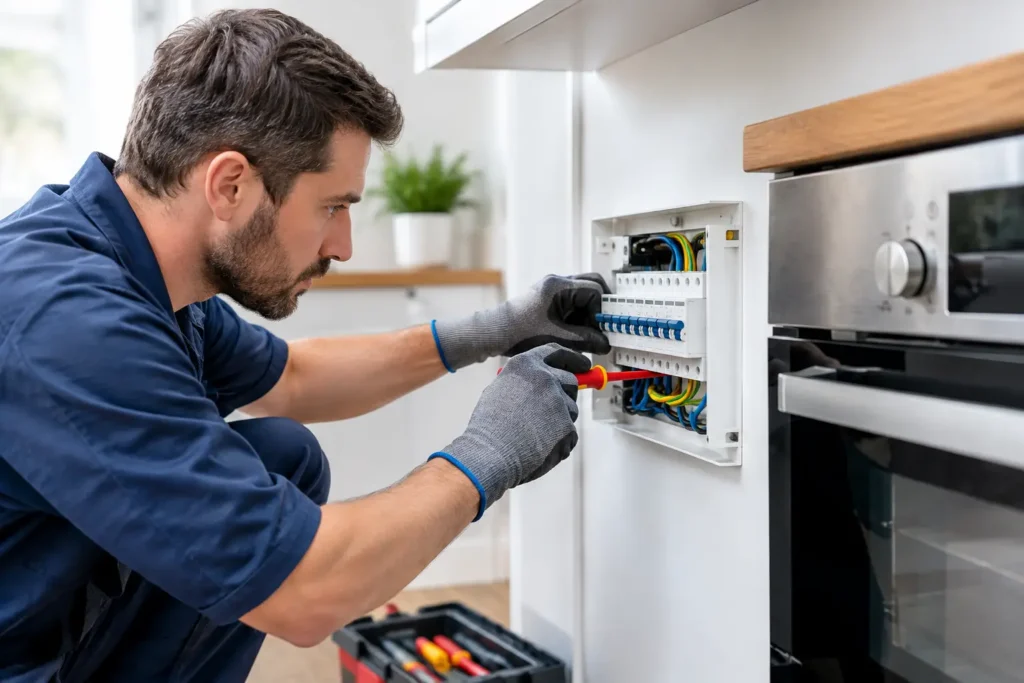
A new cooker can look like a straightforward kitchen upgrade, but the circuit behind it needs just as much attention as the appliance itself. Cooker circuits are designed to supply high-powered cooking appliances safely and reliably, helping to prevent overheating, repeated tripping and damage to wiring. Whether you are replacing an old cooker, fitting an induction hob or planning a full kitchen refurbishment, getting the electrical side right protects both your home and the people using it.
What is a cooker circuit?
A cooker circuit is usually a dedicated electrical circuit running from your consumer unit to a cooker control unit and connection point near the appliance. It is intended for equipment such as electric ovens, ceramic hobs, induction hobs and range cookers, which can draw far more power than a standard plug socket is designed to handle.
The word “dedicated” matters. A cooker should not normally share a circuit with kitchen sockets, lighting or other high-demand appliances. Separating the supply means the cable, protective device and isolator can be selected for the appliance’s expected load. It also means an issue with the cooker is less likely to affect other parts of the property.
Many homes have a cooker control unit on the wall, often above the worktop, with a red switch. This allows the appliance to be safely isolated without reaching behind it. Below the worktop, there may be a cooker connection unit or outlet plate where the appliance cable is connected.
Does every cooker need its own circuit?
It depends on the appliance and the existing installation. A freestanding electric cooker or an induction hob will commonly require a dedicated circuit. A small single oven that plugs into a normal socket may not, provided the manufacturer’s instructions allow it and the socket circuit is suitable. Gas cookers often only need a standard electrical supply for ignition or lights, although the gas work itself must also be carried out correctly.
The appliance rating is the starting point. This is shown in watts or kilowatts on its data plate and in the manufacturer’s information. An electrician uses that figure, alongside the type of appliance and how it will be used, to establish the appropriate circuit arrangement.
A large range cooker with several ovens and an induction hob may place very different demands on the installation than a basic electric oven. Equally, replacing a gas hob with induction can require a new supply where none was needed before. It is best not to assume that an existing cooker cable is automatically suitable just because there is already a red switch on the wall.
Why the circuit rating cannot be guessed
Cooker circuits involve more than choosing a larger fuse or breaker. The correct design depends on the appliance load, cable size, cable route, installation method, protective devices and the capacity of the existing consumer unit. Cables concealed in insulation, grouped with other cables or run through certain areas can carry less current safely than cable installed in open air.
Electricians may also apply diversity when designing a cooker circuit. This recognises that, in normal use, every heating element may not be operating at full output at exactly the same time. However, diversity is not a shortcut for undersizing a circuit. It must be calculated properly and considered alongside the manufacturer’s requirements.
The circuit also needs suitable protection. Modern installations commonly include RCD or RCBO protection, which provides additional protection in the event of certain faults. If an older consumer unit does not provide the required level of protection, the safest solution may involve improvements at the board rather than simply connecting the new appliance and hoping for the best.
Common signs your cooker supply needs attention
A problem with a cooker is not always a problem with the cooker itself. Loose connections, worn accessories, damaged cables and unsuitable circuit protection can all cause faults. If you notice a burning smell, scorch marks, buzzing, a hot cooker switch, flickering displays or a breaker that trips when the cooker is used, switch the appliance off if it is safe to do so and arrange for an electrician to investigate.
Repeated tripping is particularly worth checking. It can be caused by a fault within the appliance, but it may also point to a problem with the circuit, connection unit or wiring. Resetting a breaker without finding the cause can leave an underlying fault unresolved.
Older properties sometimes have cooker supplies that have been altered over the years. The kitchen may have changed from gas to electric, an extension may have been added, or a previous appliance may have been connected without proper testing. A visual check alone cannot confirm that the cable and protection are suitable. Testing is what gives a clear picture.
Cooker circuit installation during a kitchen refit
Kitchen projects are an ideal time to review the electrical installation, before new cupboards, splashbacks and appliances make access more difficult. Planning the cooker circuit early helps avoid awkward last-minute changes and keeps the finished kitchen neat.
The electrician will consider where the cooker control unit should go, where the cable will enter the appliance space and whether the appliance manufacturer specifies particular clearances. The isolator must be accessible, but it should not be positioned where heat, steam or a hot pan could make it unsafe to use. Appliance cables also need to be routed so they cannot be trapped, strained or exposed to excessive heat.
For an induction hob, the supply requirements are often higher than homeowners expect. Some models are designed for connection to a dedicated high-current circuit, while others have lower ratings or can be configured to suit a particular supply. Checking the manufacturer’s instructions before buying can prevent expensive changes later.
A kitchen refit is also a sensible time to consider additional sockets, lighting, extractor fans and consumer unit capacity. These are separate parts of the installation, but looking at them together can make the work more efficient and reduce unnecessary disturbance.
What happens when an electrician installs cooker circuits?
A professional installation begins with an assessment of the appliance, the existing electrical installation and the proposed cable route. The electrician can then advise whether the current circuit can be safely used, needs alteration, or should be replaced with a new dedicated circuit.
Where new wiring is needed, the work is planned to minimise disruption and leave a tidy finish. Depending on the property, cables may be routed through floors, loft spaces, walls or surface containment. The practical route affects the time and cost of the work, so a clear survey is more useful than a guess over the phone.
Once the circuit and appliance connection are complete, the installation should be tested. This checks the wiring, earthing, polarity, protective devices and disconnection arrangements. The right certification should then be provided for the work carried out. If the installation is notifiable under Building Regulations, the necessary notification process also needs to be followed.
This testing is not paperwork for paperwork’s sake. It confirms that the supply will operate as intended if a fault occurs, rather than leaving dangerous metalwork live or allowing a cable to overheat.
Can you fit a cooker yourself?
Changing an appliance may appear simple, especially when a cable and connection point are already in place. However, cooker connections can involve high current, fixed wiring and hidden faults that are not obvious from the outside. A loose terminal can generate heat over time, while an incorrectly selected cable or breaker can compromise the safety of the whole circuit.
For that reason, fixed cooker connections and any changes to the circuit are best left to a competent electrician. This is especially true if the circuit is new, the consumer unit needs work, the existing wiring is old, or the appliance rating differs from the previous cooker.
Homeowners and landlords should also keep the appliance instructions available. They provide vital details on connection arrangements, ventilation, cable requirements and any specific limitations. An electrician can work from this information and explain the options in plain language before any work begins.
A safe supply makes the kitchen easier to enjoy
The best cooker installation is the one you do not have to think about afterwards. The appliance heats properly, the isolator is easy to reach, the circuit stays reliable and the work is tested and certificated. If you are fitting a new cooker or have concerns about an existing supply, a local electrician can assess the installation, explain what is needed and provide a clear, no-obligation quotation before work starts.
For homes and properties across Tonbridge and the wider Kent area, Eldred Electrical Services can help with cooker connections, fault finding, consumer unit concerns and kitchen electrical work. A quick check before the appliance arrives can save disruption on installation day and give you confidence that your kitchen is ready to use safely.


