
Can Damp Cause Electrical Faults in Your Home?
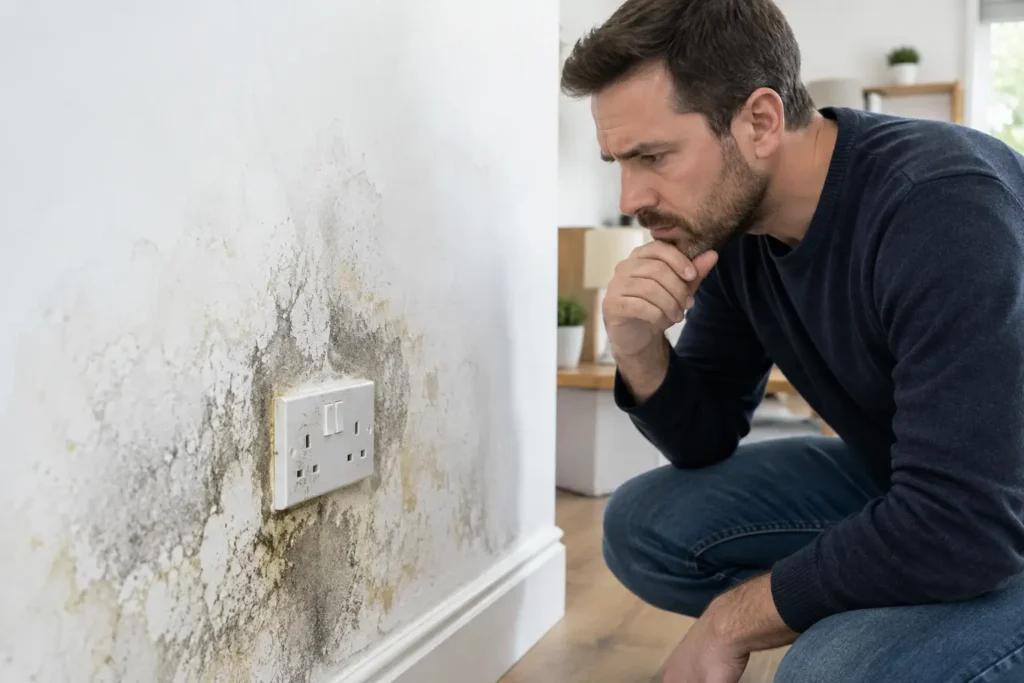
A patch of damp beside a socket, a bathroom light that trips the electrics, or an outdoor fitting that fails after heavy rain can be more than an inconvenience. Can damp cause electrical faults? Yes. Water and moisture can affect electrical wiring, fittings and accessories in ways that create a shock risk, cause repeated tripping, and potentially damage your installation.
The right response depends on where the moisture is coming from and what electrical equipment is affected. A qualified electrician can identify the electrical fault safely, but the leak, condensation or water ingress also needs to be put right. Repairing one without dealing with the other can leave the problem waiting to return.
Can damp cause electrical faults? Yes – and here is why
Electricity and water do not mix safely. Clean water does not conduct as well as water found in real buildings, but rainwater, condensation and leaks pick up minerals, dust and other contaminants. This can allow current to travel where it should not.
Damp can reduce the insulation resistance of cables and electrical accessories. In simple terms, it gives electricity an unwanted route to earth or between conductors. Modern consumer units are designed to detect many of these faults and disconnect the supply quickly through an RCD or RCBO. That protective trip is doing its job, but repeated tripping is a warning that should not be ignored.
Moisture can also lead to corrosion. Terminals, connections and metal parts may gradually deteriorate, creating poor connections that overheat or work intermittently. This is one reason an electrical issue may appear only after rain, during cold weather, or when a bathroom is particularly steamy.
Not every fault in a damp room is caused by damp. A failing appliance, overloaded circuit or damaged cable can produce similar symptoms. Proper fault finding matters because assumptions can lead to the wrong repair.
Warning signs to take seriously
The most obvious sign is a circuit that trips when it rains, when you use the shower, or after a spell of damp weather. You may find that the lighting circuit, sockets, garden supply or a particular appliance repeatedly causes the consumer unit to trip.
Other signs include a buzzing accessory, flickering lights, discolouration around a socket or switch, a burning smell, corrosion on outside fittings, or a mild tingle from metalwork. A socket, switch or light fitting that feels damp, has visible water marks, or is located below a stained ceiling needs attention promptly.
In bathrooms, look out for persistent condensation, mould, peeling paint and an extractor fan that is noisy, ineffective or not working at all. Poor ventilation does not always cause an immediate electrical fault, but it can expose lights, fans and connections to moisture over time.
Outside, rainwater can enter poorly fitted lights, junction boxes, external sockets and cables. Garden lighting is particularly vulnerable where fittings are damaged, seals have deteriorated, or connections are buried or left exposed without suitable protection.
What to do if water is near electrics
Do not touch a wet socket, switch, light fitting, appliance or cable. Keep children, pets and anyone else away from the area, especially if water is running, pooling or coming through a ceiling.
If it is safe to reach the consumer unit without stepping through water or touching affected surfaces, switch off the relevant circuit. If you cannot identify it, switch off the main switch only if it is safe to do so. Do not remove socket covers, take apart a fitting, reset a tripping breaker repeatedly or attempt to dry internal electrical parts yourself.
A leak from above can be especially concerning. Water may collect inside a ceiling light fitting or travel along cables before appearing somewhere else. If water is dripping through a light fitting, turn off the electricity supply if safe, stop using the area and arrange urgent professional help. If there is smoke, sparking, flames or a strong burning smell, leave the area and call the emergency services.
Once immediate safety is dealt with, arrange for the source of moisture to be repaired. That may mean a roofer, plumber, builder or drainage specialist as well as an electrician. Photographs of water staining and notes about when the fault occurs can help establish the cause.
Common damp-related electrical problems in Kent properties
Bathrooms are a frequent trouble spot. Steam can build up when an extractor fan is undersized, blocked, poorly ducted or simply not used long enough. Electrical equipment in a bathroom must be suitable for its location and installed correctly, particularly close to baths and showers. Replacing a failed fan with an appropriate, effective extraction system can protect both the room and the electrics.
Lofts and roofs can also cause hidden issues. A slipped tile, damaged flashing or condensation in a roof space may allow water onto cables, light fittings or junction boxes. The visible stain may be some distance from the point where water first entered.
Kitchens and utility rooms have their own risks, including leaking washing machines, dishwashers, pipes and waste connections. A socket behind an appliance can be overlooked until the circuit trips or corrosion becomes visible.
Older properties may have accessories, wiring or consumer units that have seen decades of temperature changes and moisture. This does not automatically mean a full rewire is necessary. Sometimes the solution is limited to replacing damaged accessories, making safe a connection and improving ventilation. In other cases, testing may show more widespread deterioration that calls for larger remedial work.
Why electrical testing is the sensible next step
A visual check can reveal obvious water damage, but it cannot confirm that cables and circuits are safe. An electrician can carry out appropriate tests, including insulation resistance testing, to check whether moisture or damage is allowing current to leak from the circuit.
This process helps narrow down whether the issue is in fixed wiring, an outside fitting, a bathroom fan, a light fitting or a plugged-in appliance. It also avoids the temptation to keep resetting a protective device and hoping the problem has gone away.
The findings should be explained in plain language. You should know what has failed, why it is unsafe or unreliable, what work is recommended, and whether the circuit can be safely restored that day. Where further work is needed, a clear quotation allows you to make an informed decision without unnecessary pressure.
For landlords and business owners, damp-related electrical faults can also affect duties around safe premises. A reported trip, exposed water-damaged fitting or failed bathroom extraction system should be dealt with promptly, documented properly and followed up with any necessary repair or inspection.
Preventing damp from affecting your electrics
Prevention starts with controlling moisture. Keep bathrooms ventilated during and after showers, and have ineffective extractor fans checked rather than accepting steamed-up mirrors and peeling paint as normal. Address plumbing leaks, roof defects and blocked gutters early, before water reaches wiring or fittings.
External electrical equipment should be designed for outdoor use and fitted with suitable weather protection. Avoid relying on extension leads outdoors, particularly in wet conditions. Check garden lights and exterior sockets after storms or building work, as cracked housings and disturbed cables are easy to miss.
It is also worth paying attention to small changes. A light that flickers only in wet weather or a socket circuit that trips once a month may be early evidence of water ingress. Calling for fault finding before it worsens is usually safer and less disruptive than waiting for a complete loss of power.
Eldred Electrical Services provides careful electrical fault finding, repairs, testing and emergency support for homes and businesses across Tonbridge and the surrounding Kent area. If damp is affecting your electrical installation, the priority is simple: keep clear of anything wet or damaged, make the area safe, and have the cause checked properly before putting the circuit back into use.


