
Best Lighting Upgrades for Kitchens in Kent
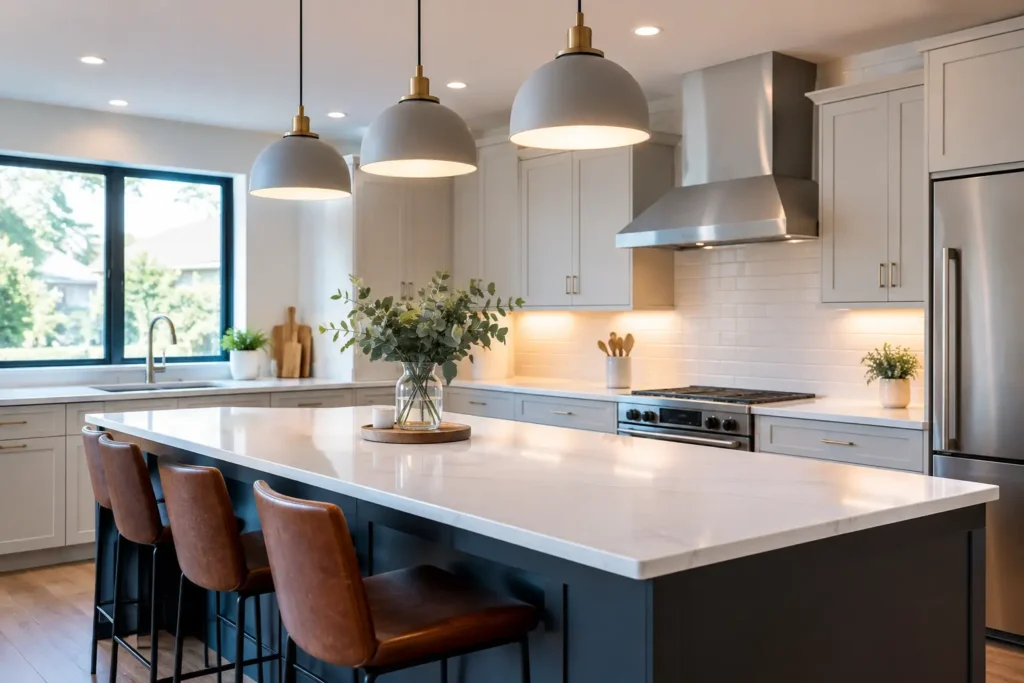
A kitchen can have smart new cupboards, a quality worktop and good appliances, yet still feel dated or difficult to use because the lighting is wrong. The best lighting upgrades for kitchens do more than make the room look brighter. They make food preparation safer, improve the feel of the space at different times of day, and ensure key areas are properly lit without glare or awkward shadows.
For homeowners across Tonbridge and the wider Kent area, kitchen lighting is often part of a larger refurbishment. It is also a worthwhile improvement in its own right, particularly where one central fitting leaves worktops in shadow or older lights are expensive to run. The right solution depends on how you use the room, the available natural light, your existing wiring and whether other electrical work is planned.
Start with layers, not one brighter fitting
The most successful kitchens use different types of light for different jobs. Relying on a single ceiling pendant or central spotlight can make the centre of the room bright while leaving the sink, hob and preparation areas poorly lit. Adding more wattage to one fitting rarely solves that problem.
A practical kitchen lighting plan usually combines general lighting, task lighting and feature lighting. General lighting gives the room an even base level of brightness for cleaning, moving around and everyday use. Task lighting focuses clear light where you chop, cook, read recipes and wash up. Feature lighting is more about atmosphere, highlighting a breakfast bar, open shelving or a dining area.
This layered approach also gives you more control. Bright general and task lighting is useful on a dark winter morning or when preparing a meal. Later, you may only want a softer light over the table or beneath the cabinets. Separate switches and sensible positioning make that possible.
Upgrade ceiling lighting for even coverage
Recessed LED downlights are a popular kitchen upgrade because they provide a clean finish and can be spaced across the room for more even coverage. They work particularly well in kitchens with lower ceilings, where a hanging fitting could feel intrusive. Modern LED fittings use far less electricity than older halogen downlights and generally need replacing much less often.
Positioning matters more than the number of fittings. Downlights placed too close together can create harsh pools of light, while those set only down the centre of the room can still cast shadows over worktops. A qualified electrician can help plan the layout around cupboards, beams, roof structure and the working areas below, rather than simply placing lights in an even-looking grid.
If recessed lights are not suitable, surface-mounted LED fittings can be an excellent alternative. They are available in understated styles and can give strong, broad illumination without cutting into the ceiling. This may be the better choice where access above the ceiling is limited or where fitting downlights would involve unnecessary disruption.
For kitchens with a dining table or island, a pendant can add character as well as useful light. It needs to be at the right height: low enough to light the surface, but not so low that it blocks sightlines or becomes a hazard. If it is the only source of light over an island used for food preparation, choose a fitting that provides useful light rather than relying solely on a decorative shade.
Add under-cabinet task lighting where it counts
Under-cabinet lighting is one of the most effective kitchen improvements because it solves a familiar problem. When you stand at a worktop, your body can block light from the ceiling, leaving the very area where you use knives and hot pans in shadow.
LED strip lighting or slim under-cabinet fittings can give an even wash of light along the worktop. A well-installed system keeps the light source discreet, avoids visible cable runs and places drivers or transformers where they can be accessed if maintenance is needed. It can be switched separately from the main lights, which is useful for early mornings, late-night drinks or a gentle evening setting.
Colour temperature makes a real difference here. Light is commonly described in Kelvin. Around 2700K gives a warm, softer appearance, while 4000K is a clearer neutral white often suited to task areas. There is no single right answer. A very warm light can make a kitchen feel welcoming, particularly with timber finishes, while a neutral white usually shows food, surfaces and colours more accurately. The key is to avoid mixing noticeably different whites in the same open-plan space unless that contrast is intentional.
Lighting beneath plinths can also add a subtle finish, creating a floating effect beneath base units and providing low-level guidance after dark. It is best viewed as an atmospheric extra rather than a replacement for safe task lighting.
Make kitchen lighting easier to control
The quality of a lighting upgrade is often decided at the switch. If every fitting comes on together, you lose many of the benefits of layered lighting. Separate circuits or switching for ceiling lights, under-cabinet lights and pendants give the kitchen far more flexibility.
Dimmers are another worthwhile option, but they need compatible LED lamps or fittings. An unsuitable dimmer can cause flickering, buzzing, limited dimming range or lights that fail to turn off properly. This is a common issue when LEDs have been fitted onto older controls without checking compatibility. Choosing the correct fittings and controls at installation avoids the frustration.
Consider where switches should be placed as well. A switch by the kitchen entrance is expected, but a second control near a back door, dining area or utility route can be very convenient. In larger kitchens, two-way switching may prevent you crossing a dark room to turn lights on or off. These small details are easiest to plan during a refit, but some can be added later depending on the wiring arrangement.
Smart controls can be helpful, particularly for households that want timed lighting, app control or voice activation. They are not essential for a good kitchen, and conventional switches remain simple and reliable. If choosing smart lighting, make sure the system can still be operated easily from a normal wall switch and that future replacement fittings will be compatible.
Do not overlook safety and kitchen zones
Kitchens bring electricity, water, heat and hard-working appliances together. Any new lighting wiring should be designed and installed safely, with suitable protection and testing. This is especially relevant where work includes new circuits, alterations at the consumer unit, extractor connections, sockets or appliance supplies alongside the lighting.
Lighting close to a sink may need careful consideration, particularly if fittings are exposed to splashes or moisture. Fittings have IP ratings that indicate their level of protection against water and dust. The right rating depends on the exact location, not simply whether the room is called a kitchen. A professional assessment is preferable to choosing a fitting based on appearance alone.
It is also worth checking the condition of existing wiring before building new lighting around it. In older properties, a kitchen improvement can reveal damaged accessories, overloaded circuits, poorly installed previous work or insufficient capacity for the appliances now in use. Addressing these issues properly is safer than concealing them behind new units and finishes.
Plan lighting alongside your kitchen layout
The best time to discuss lighting is before cabinets, plastering and decoration are complete. That allows cables, switches and fittings to be positioned neatly, rather than relying on compromises once the kitchen is finished. If your plans include an island, decide early whether it will need pendant lights, pop-up sockets, charging points or appliance power. Each requirement can affect the electrical design.
Think about the tasks carried out in each part of the room. The hob needs clear light that does not produce uncomfortable reflections in glossy splashbacks. The sink benefits from direct light, often from an under-cabinet fitting or carefully positioned ceiling light. A pantry, larder cupboard or deep corner may need its own internal or targeted lighting to stop useful storage becoming a dark space.
For rental properties and busy family homes, durability should be part of the decision. Good-quality LED fittings, suitable controls and tidy installation tend to be better value than repeatedly replacing cheap fittings that flicker, discolour or fail early. It is sensible to keep a note of lamp types, colour temperature and driver details so replacements can be matched later.
Choosing the right upgrade for your budget
A complete lighting redesign is not always necessary. Replacing dated fittings with efficient LEDs, adding under-cabinet task lights and separating controls can transform an existing kitchen with less disruption than a full refurbishment. Where ceilings are being replaced or a kitchen is being remodelled, that is the opportunity to consider a more comprehensive downlight layout and new wiring.
Before work begins, be clear about which fittings are included, who will supply them, whether making good is required after access work, and how the installation will be tested. A clear quotation helps avoid surprises and makes it easier to compare like for like. Appearance matters, but the safest and most useful kitchen lighting is planned around the way you actually live in the room.
If your kitchen has dark corners, awkward shadows or lights that no longer suit the space, a local electrician can talk through practical options and provide a clear, no-obligation quotation. A few well-planned changes can make everyday cooking, cleaning and family time feel safer and more comfortable from the first switch-on.


